

Claude Opus 5 and Theseus Infrastructure: Anthropic's Bet on AI Independence
Anthropic launched Claude Opus 5 on July 24, 2026 and announced Theseus Infrastructure: a joint venture to build dedicated data centers. Analysis of the impact for enterprises using AI in production.
Key Takeaways
- Claude Opus 5 delivers flagship-level capabilities at approximately half the cost of Anthropic's previous flagship.
- Theseus Infrastructure is a joint venture with Macquarie and GIC to build and operate dedicated data centers in the US.
- All Claude models launched from August 2, 2026 include invisible watermarks aligned with the EU AI Act.
- For enterprise organizations, this means greater long-term compute supply stability.
On July 24, 2026, Anthropic launched Claude Opus 5, its model optimized for complex agentic tasks, long-duration reasoning, and coding. The model is positioned as a high-capability alternative at reduced cost compared to the company's flagship, available on AWS Bedrock, Google Cloud, Microsoft Foundry, and Claude Pro, Max, Team, and Enterprise plans.
But the announcement with the greatest strategic industry impact is Theseus Infrastructure: on August 10, 2026, Anthropic confirmed an alliance with Macquarie Asset Management and sovereign fund GIC to establish a dedicated data center platform in the United States. The goal is to develop, own, operate, and lease compute infrastructure to Anthropic under long-term agreements, reducing exclusive dependence on major hyperscalers.
This decision has direct implications for enterprise organizations using Anthropic models in production: greater compute supply chain stability, increased capacity for data privacy agreements, and a clear signal that Anthropic plans to aggressively scale its operational infrastructure.
Claude Opus 5: Key Features for Technology Teams
Claude Opus 5 introduces 'self-verification' capabilities: the model can review its own work, build test harnesses, and run validations before delivering results. This is especially relevant for agentic coding workflows where output reliability is critical. It is available on major cloud platforms, facilitating adoption in existing enterprise architectures without provider changes.
Theseus Infrastructure: Why It Matters
Exclusive dependence on hyperscalers (AWS, GCP, Azure) has historically been a strategic vulnerability for AI labs. Theseus Infrastructure allows Anthropic to control its compute capacity long-term, negotiate better energy costs, and offer enterprise clients data residency guarantees that are harder to achieve on shared infrastructure. For CTO and CIO teams, this translates to more predictable service agreements.
Watermarks and EU AI Act: Compliance by Default
From August 2, 2026, all Claude models include invisible watermarks in text (machine-readable) and C2PA provenance metadata for files, aligned with the EU AI Act Code of Practice. For enterprises operating in European markets or with European clients, this means Claude-generated outputs have built-in origin traceability, facilitating regulatory compliance.
Impact for Enterprise Technology Teams
For engineering teams considering Claude in their production stacks: Opus 5's self-verification reduces human validation effort in agentic pipelines. Theseus' dedicated infrastructure improves long-term SLA prospects. And built-in EU AI Act compliance reduces legal friction for deployments in regulated markets. At Nubework, we actively evaluate these models for enterprise integrations with our clients.
Sources
Want to apply this in your organization?
Talk to a Nubework architect.
Related Articles
Agentic AI
Anthropic Warns of Self-Replicating AI Worms Colonizing Smart IoT Devices
Agentic AI
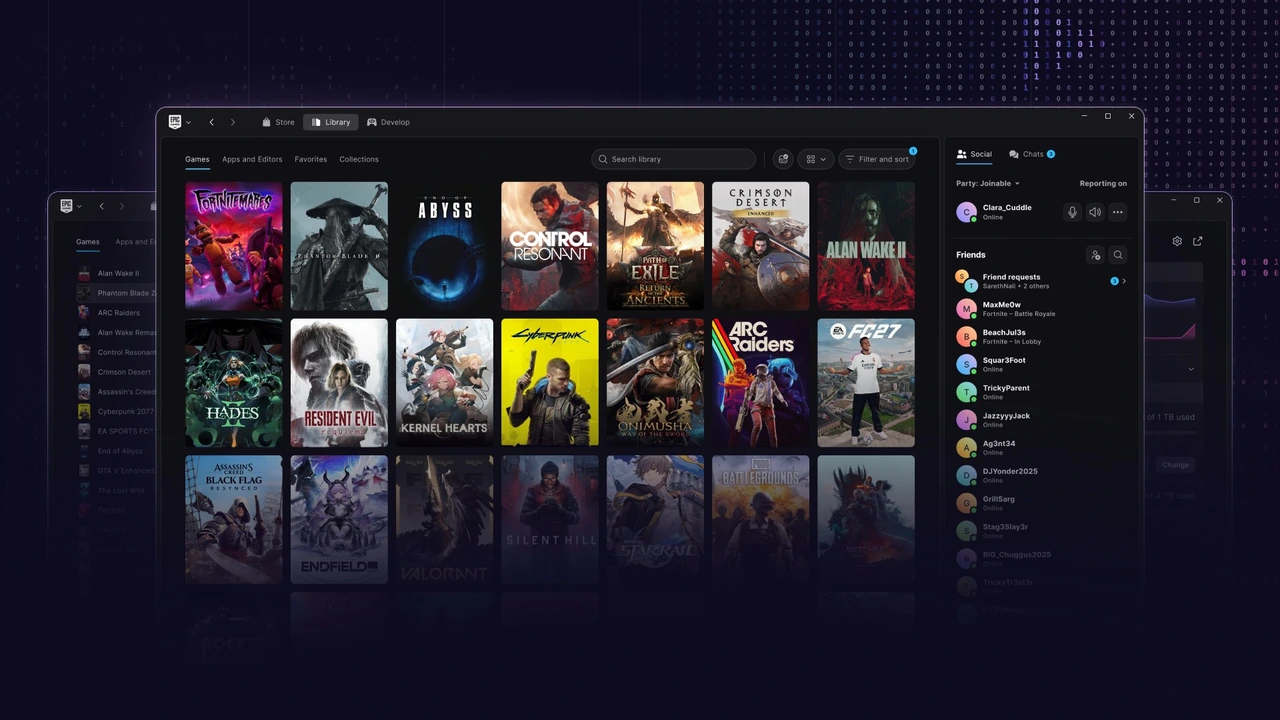
Epic Games Goes All-In on 'Vibe Coding': How AI Agents Rebuilt the Launcher and Unlocked Linux Support
Agentic AI